

Combination skin is often described as a mix of oily areas and dry areas. But while this definition is technically correct, it’s also limiting.
In reality, combination skin is unstable: it changes easily depending on the season, stress levels, hormones, climate, and cosmetic habits.
Truly understanding it is the first step to stop “fighting” it and start balancing it.
Combination skin: it’s not just about the T-zone
The classic shiny T-zone (forehead, nose, chin) with drier cheeks is only the most visible sign. Beneath the surface, combination skin often shows:
-
Uneven sebum production — not excessive everywhere, but poorly distributed
-
A weakened skin barrier, especially in drier areas
-
Hidden dehydration, even where the skin appears oily
This explains why many combination skins react poorly to overly stripping products: when the skin is deprived of its lipids, it responds by producing even more sebum.
The most common mistake: treating it like oily skin
One of the biggest errors is using harsh cleansers, alcohol-based toners, or daily exfoliants “to keep sebum under control.”
The result?
-
A temporarily matte T-zone
-
Tight, uncomfortable cheeks
-
Inflamed imperfections
-
The feeling that the skin is “never quite right”
Combination skin shouldn’t be dried out — it needs to be educated.
Balance comes from hydration (not control)
A counterintuitive but essential concept:
well-hydrated skin produces less sebum.
When the skin senses a lack of water or lipids, it activates compensatory mechanisms. That’s why shine is often a sign of imbalance, not “too much oil.”
Look for products that:
-
Hydrate without clogging
-
Strengthen the skin barrier
-
Normalize sebum rather than blocking it
Smart strategy: a modular routine
Instead of searching for “the perfect product,” it’s far more effective to adopt a flexible routine.
1. Gentle cleansing, always
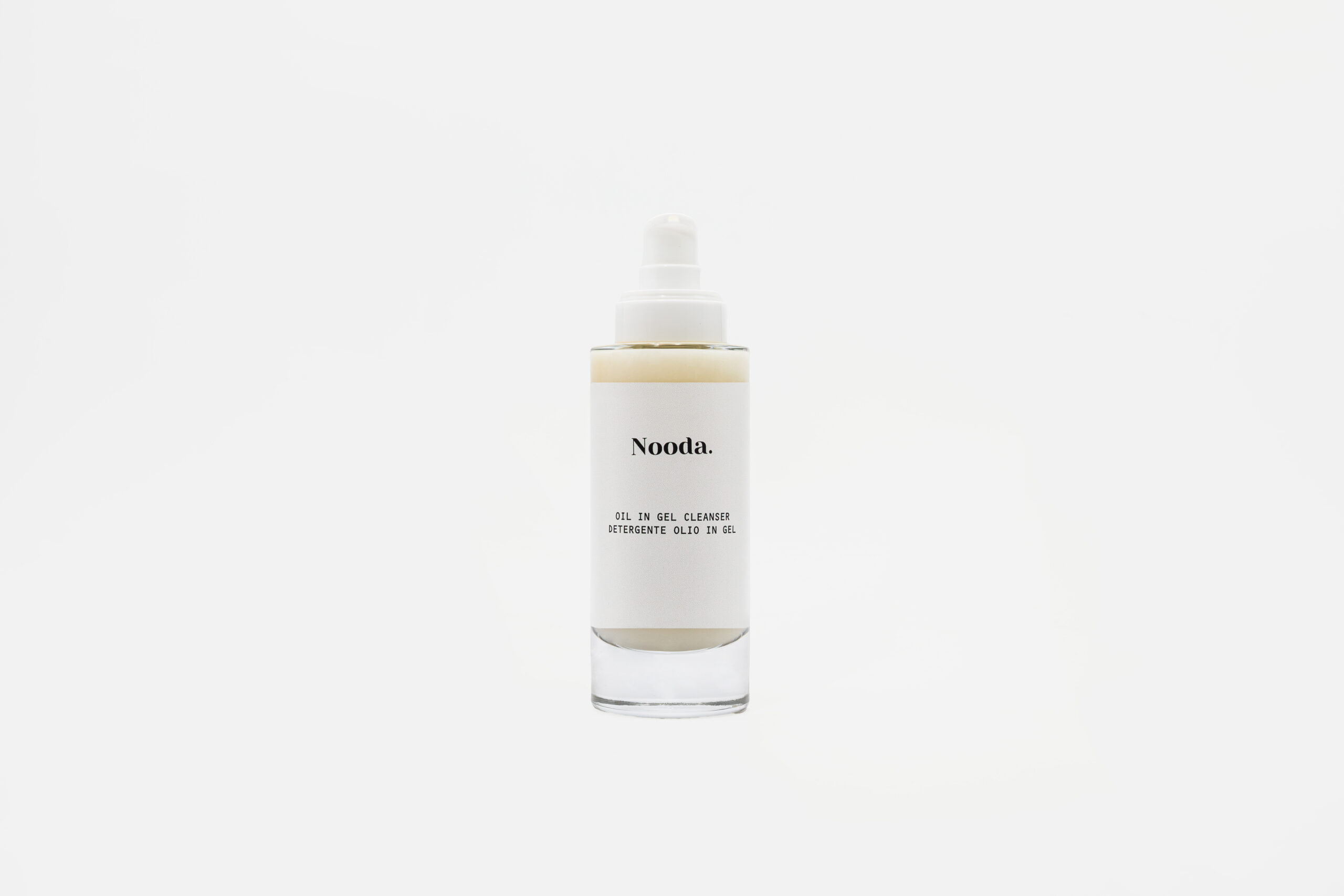
Use mild, hydrating cleansers — avoid aggressive foaming formulas. Combination skin benefits greatly from cleansing that respects the hydrolipidic film.
2. Targeted treatments by area
-
T-zone: lightweight textures, balancing serums
-
Cheeks: more nourishing or soothing formulas
There’s no need to use the same cream everywhere.
Combination skin and seasons: adaptation is key
A frequently underestimated factor is seasonality:
-
In winter, it tends to become drier and more sensitive
-
In summer, it may appear oilier, but is often simply more dehydrated
Reassessing your routine 2–3 times a year is an act of care, not a whim.
One final (non-cosmetic) tip
Irregular sleep, chronic stress, and an unbalanced diet have a major impact on combination skin, because it is highly reactive to internal stimuli.
If your skin changes often “for no apparent reason,” the reason may not only be in your bathroom — but in your lifestyle.
Combination skin isn’t difficult skin.
It’s skin that asks to be listened to and adapted to.
When you stop forcing it into a rigid category and start responding to its real needs, balance becomes possible — and long-lasting.